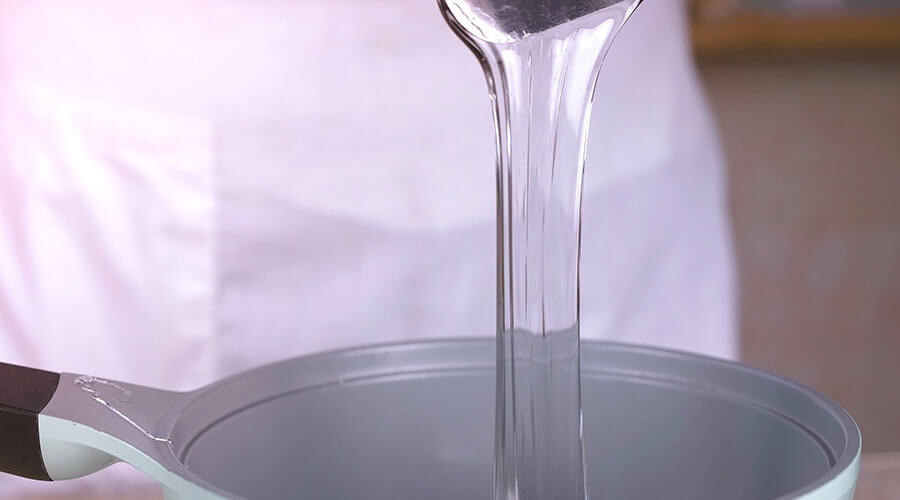
Refined Glycerine, also called glycerine or glycerin is a simple polyol compound. It is colourless and odourless, sweet-tasting viscous liquid and it is hygroscopic. It has well solublizer, plasticizer, moisturizing and preserving agent. Refined Glycerine is used in diverse business areas from additives for food and cosmetics to industrial materials.
Product Offer
Product
Certificate
Feedstock
Glycerol
Refined Glycerine
USP
Vegetable oil
Min 99.70%
Refined Glycerine
USP
Vegetable oil
Min 99.50%
Refined Glycerine
Non USP
Vegetable oil
Min 99.70%
Refined Glycerine
Non USP
Vegetable oil
Min 99.50%
Refined Glycerine
Non USP
Mixed Oil
Min 99.50%
Refined Glycerine
Non-Kosher
Vegetable
Min 96.00%
Packaging Formats
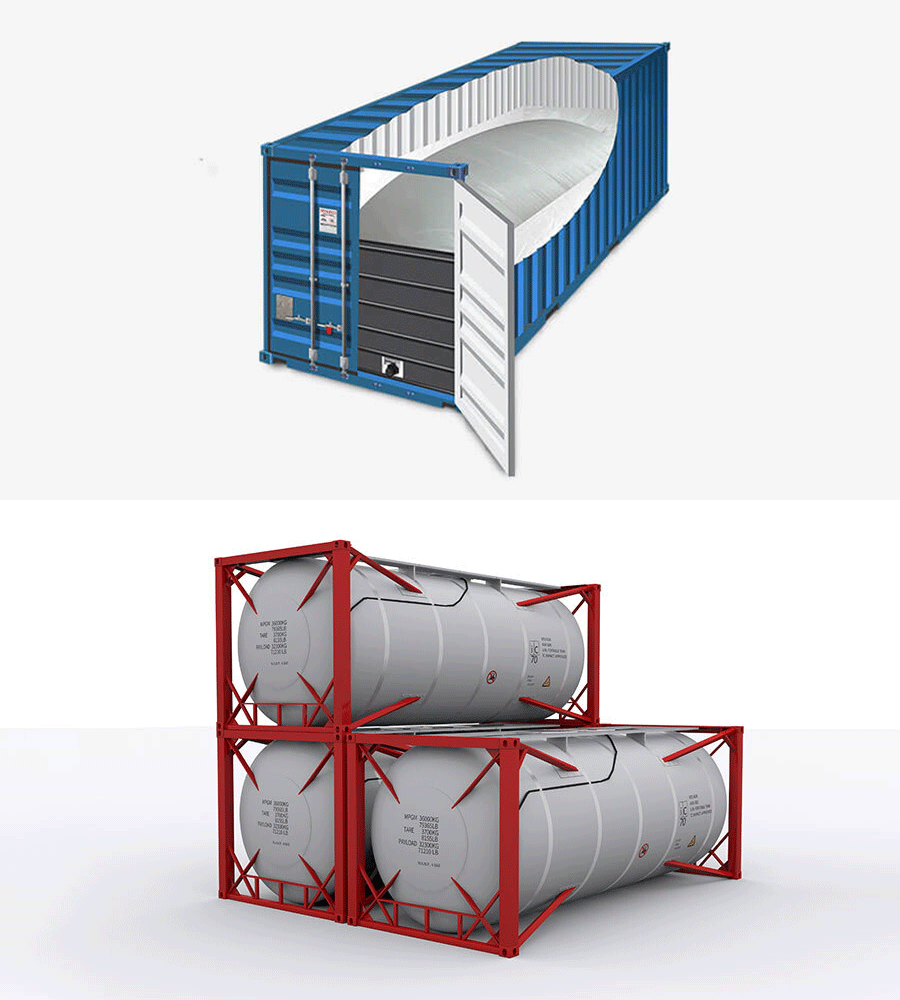
Flexibags & Isotanks
In 20 feet containers, packed in flexi tanks of capacity approx. 21 metric tons each. Basis of shipment in containers can be CIF destination or FOB as required.
Bulk Shipment
In 20 feet containers, packed in flexi tanks of capacity approx. 21 metric tons each. Basis of shipment in containers can be CIF destination or FOB as required.
Various Uses of
Refined Glycerine
Pharmaceutical
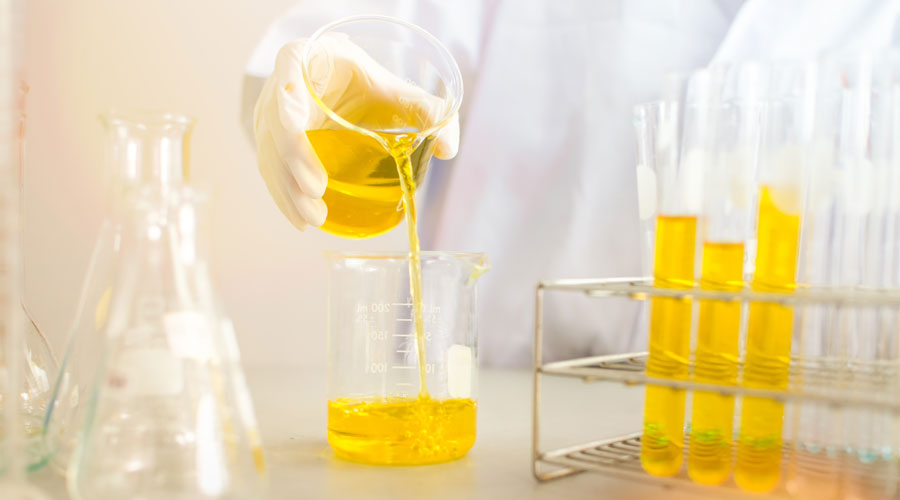
Used as a solvent and substrate for medications
Cosmetics Industries
Used in the production of soap and for the preparation of numerous cosmetic products
Food
Used in the production of syrups, soft-drinks, bakery products, preservation of fruits and vegetables
Where does Refined
Glycerine come from?
The crude glycerine is processed to obtain distilled and refined glycerine. In order to properly refine the glycerine, residual organic matter, water, salt, methanol, and odors are removed. This refined glycerine is non-toxic, non-allergenic, antiseptic, acts as a stabilizer, preservative, emollient, etc. Owing to these versatile features, it is employed in many industries.
Depending on the applications, different quality is required. To meet the quality standard from the technical grade until the pharmaceutical and kosher, the purification process is a determinant factor to ensure the required quality.
The glycerine purification is based on the following steps: